
Alphabet Coloring Pages
Print large outline letters for children to colour, one letter per page or the whole alphabet at once. Each page can show the uppercase and lowercase letter, an “A is for…” word, a tracing line and a box for drawing something that starts with that letter.
- Free to use
- No sign-up
- Runs in your browser
Make alphabet coloring pages
Alphabet Activity Printable Pack
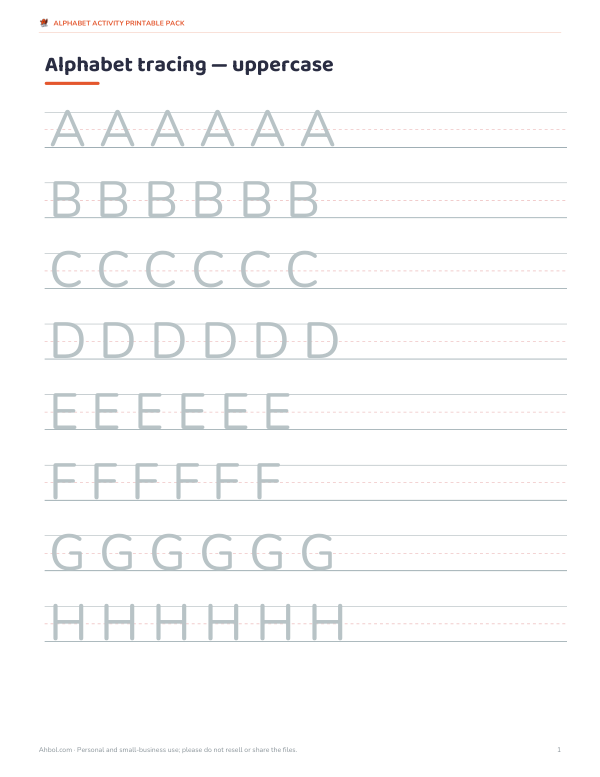
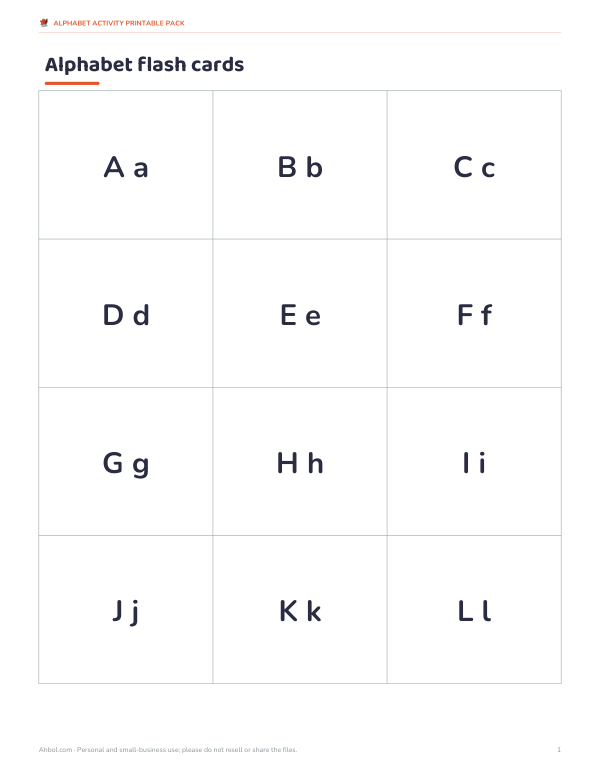
Two A–H tracing sheets, alphabet flash cards, and a letter-sound chart. Two PDFs (6 pages total), two editable Word files and a README. The illustrated A–Z coloring book is sold separately. Tracing covers A–H only; the older README incorrectly labels it A–Z.
- Alphabet-Tracing-Sheets.pdf — 2 pages: uppercase A–H and lowercase a–h
- Alphabet-Tracing-Sheets.docx — editable Word version
- Alphabet-Flash-Cards-and-Sound-Chart.pdf — 4 pages: A–Z cards and sound chart
- Alphabet-Flash-Cards-and-Sound-Chart.docx — editable Word version
Formats: PDF, DOCX. Instant download after payment (link valid 72 hours, up to 5 downloads). AI-assisted: the templates were drafted with AI help and reviewed and laid out before publishing.
$4.00 USD, one-time
- Instant download
- 7-day refund
- Secure checkout by Stripe
7-day money-back guarantee. Full refund within 7 days of purchase, even after you download.
Full refund within 7 days — see the refund policy and license.
New · 2 PDFs + README · same 26 activities in both paper sizes
Alphabet Coloring Book - A to Z
26 illustrated A-Z coloring activities in A4 and US Letter PDFs. Each PDF has 28 pages including the cover and printing instructions. See the full product or try three free sample pages. Licensed for personal, family or one-classroom use.
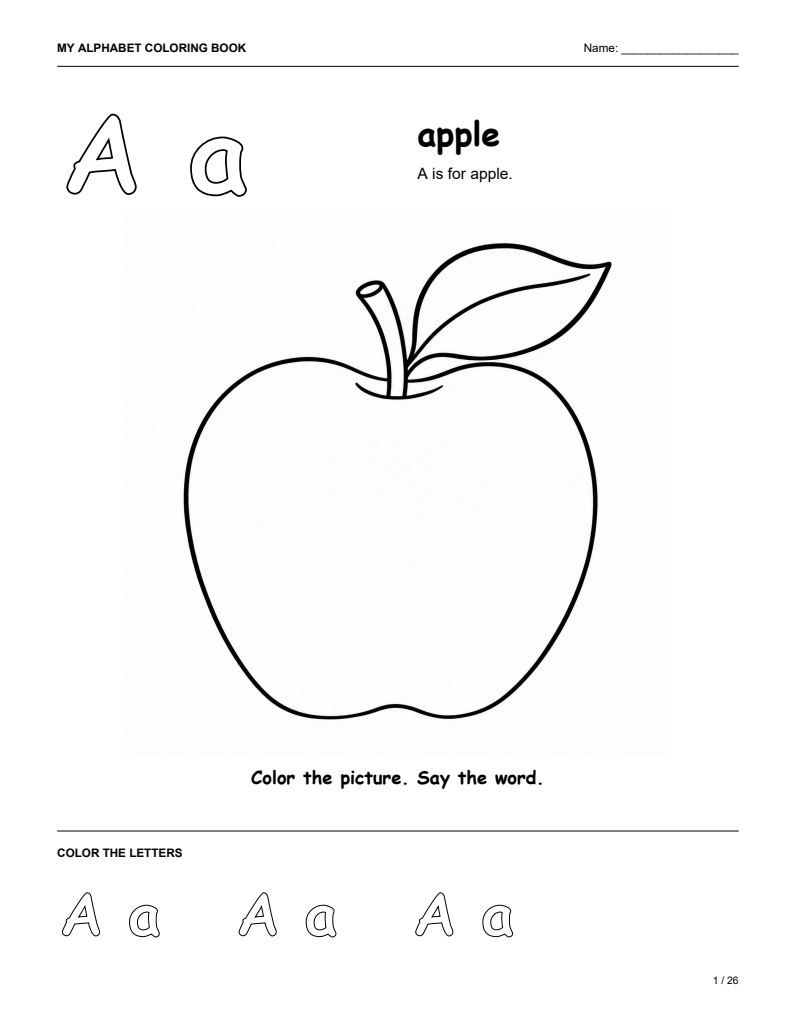
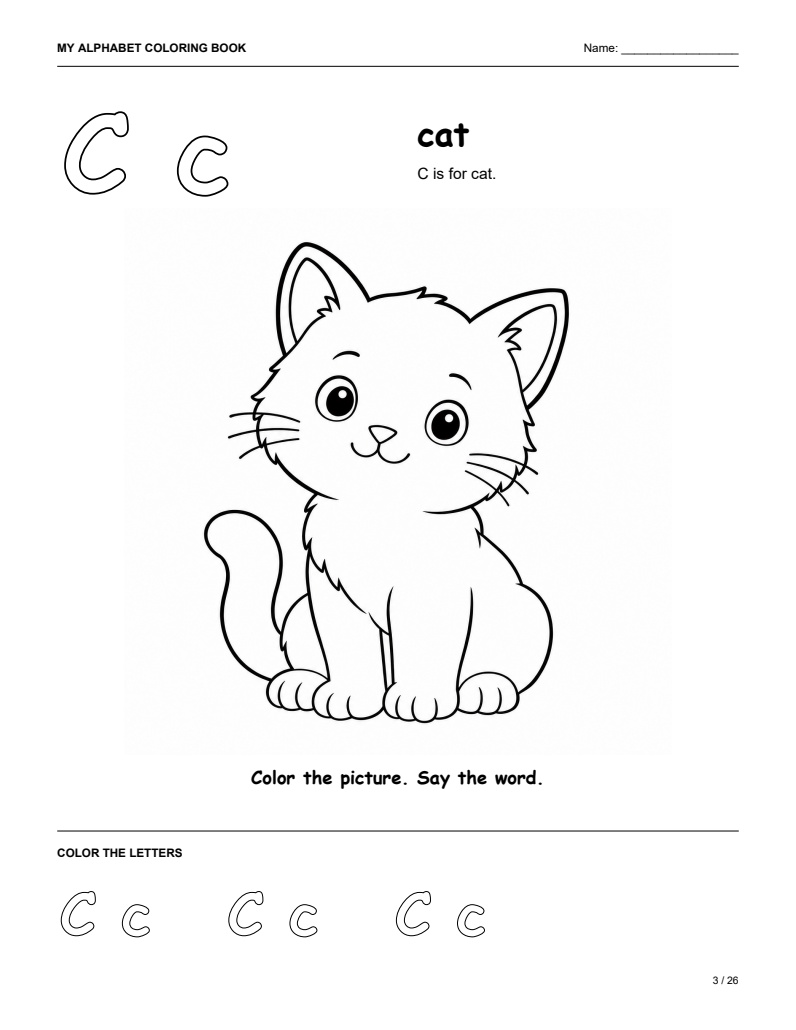
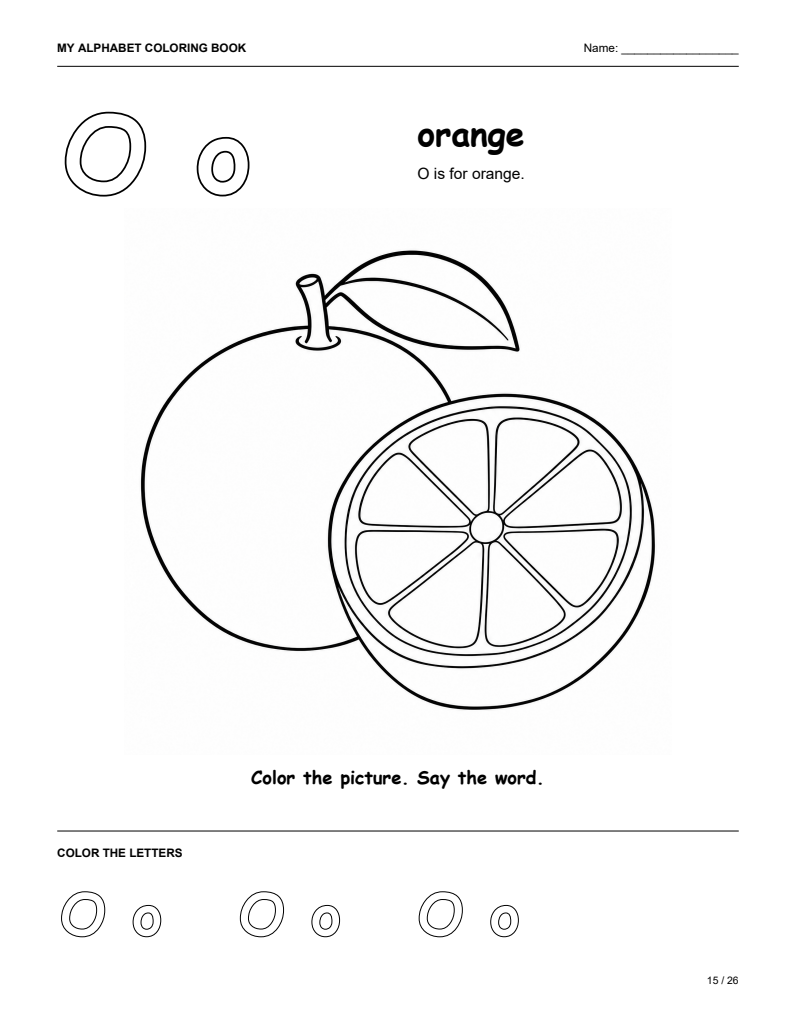
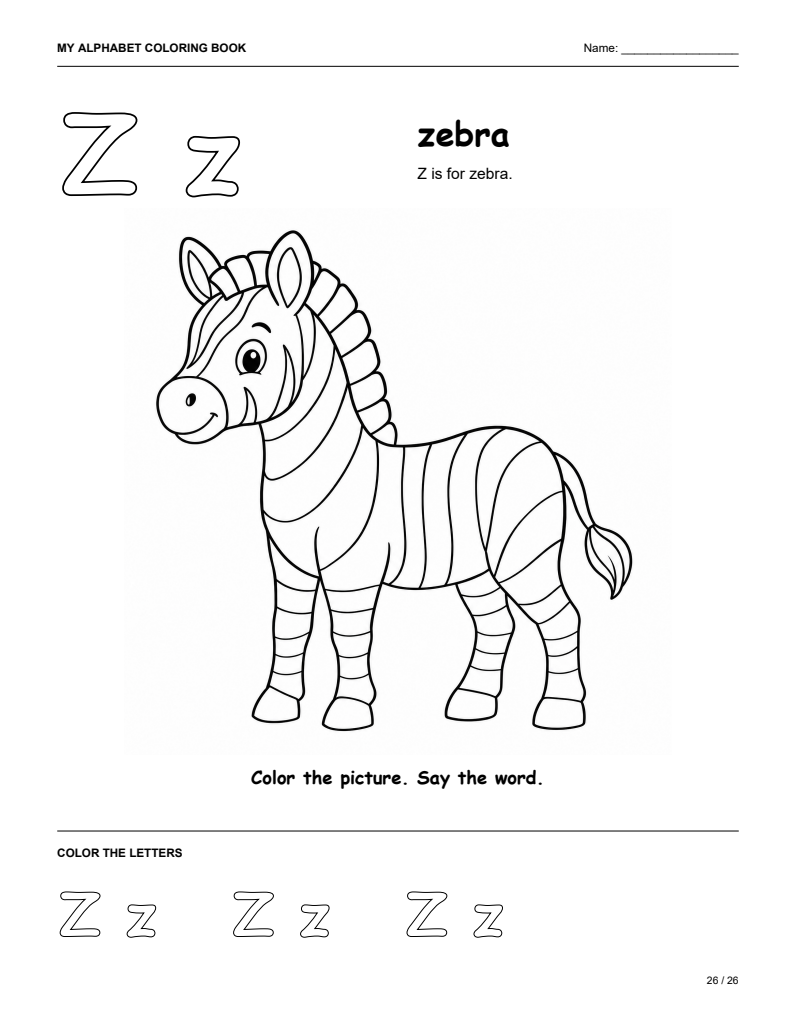
- A4 PDF: 26 activities, cover and instructions (28 pages)
- US Letter PDF: the same activities, cover and instructions (28 pages)
- README with printing and use instructions
$3.90 USD, one-time
- Instant download
- 7-day refund
- Secure checkout by Stripe
7-day money-back guarantee. Full refund within 7 days of purchase, even after you download.
Artwork created with AI image tools, then selected and laid out for print.
New · 5 files · PDF
Halloween Party Printables
Illustrated Halloween party printables: two invitations with fill-in details, tent place cards, treat-bag tags, two greeting cards and two coloring pages for kids.
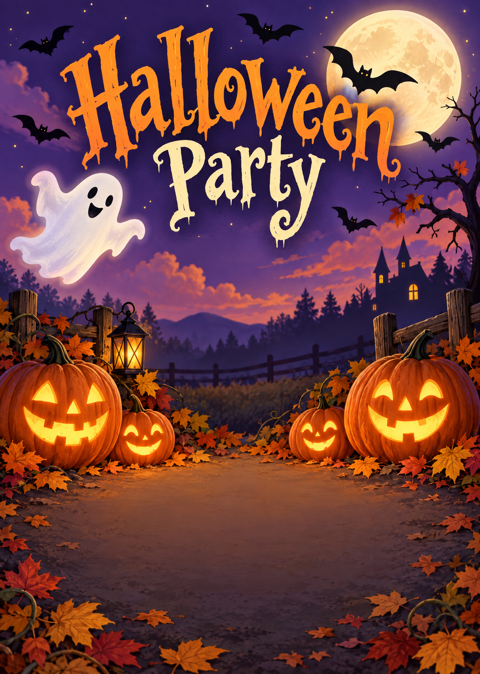
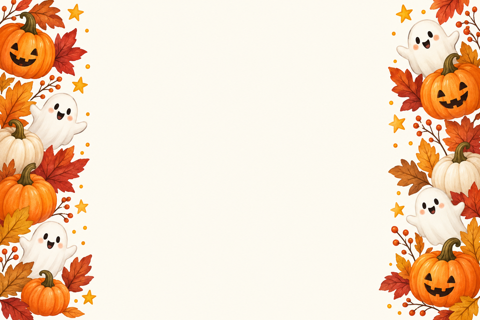
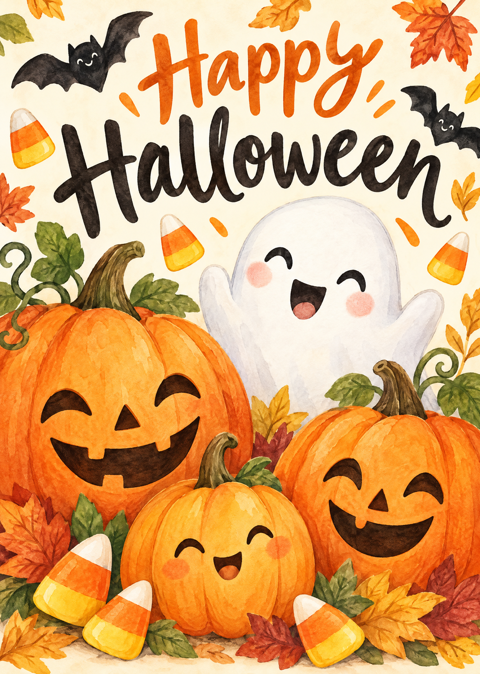
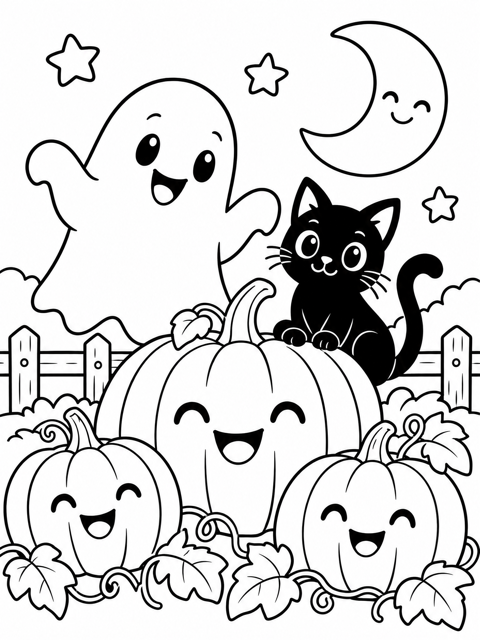
- 2 party invitations, 5x7, two per page (PDF)
- 2 place card designs, 4 per page (PDF)
- 1 sheet of treat-bag tags (PDF)
- + 2 more
$6.00 USD, one-time 5 files · about $1.20 each
- Instant download
- 7-day refund
- Secure checkout by Stripe
7-day money-back guarantee. Full refund within 7 days of purchase, even after you download.
Artwork created with AI image tools, then selected and laid out for print.
Free printables
Single sheets you can print right now, no sign-up. The full pack adds every sheet in one download plus the editable files.
 Spider web string lights
 Halloween treat bags
 Halloween stickers for kids
 Halloween window clings
 Christmas party string lights
 Christmas treat bags
How to print the alphabet coloring pages
Choose whether you want the whole alphabet, a single letter, or the letters of a name — a lovely way to make a personalised set for a child's name. Pick uppercase, lowercase or both, and decide how much extra is on each page: the “A is for apple” word, a dotted tracing line and a box for drawing, or just a giant letter to colour. Click Print; each letter prints on its own US Letter page. To save the set, choose “Save as PDF” in the print dialog.
The letters are drawn as white shapes with a thick outline, so crayons, markers, paint or stickers all work. Choose the bold block style for young children with less pencil control, or the rounded style for a softer look.
Why coloring letters helps early readers
Colouring a big letter shape gives children a relaxed, hands-on way to notice what the letter looks like: the straight lines of E, the curve of C, the difference between b and d. Saying the letter name and its sound while colouring, and pointing to the picture word, links the shape to the sound — the foundation of phonics. Colouring also builds the fine motor control children need for writing: gripping a crayon, staying inside lines and making controlled strokes.
Activity ideas
- Letter of the week: colour one letter, then go on a hunt around the house for things starting with it and draw one in the box.
- Name book: print the letters of a child's name, colour them and staple them into a little book.
- Texture letters: fill the outline with dried beans, pasta, torn paper or cotton balls for a tactile version.
- Sound sort: cut out magazine pictures and sort them onto the pages by starting sound.
- Rainbow letters: trace the outline several times in different colours.
- Classroom wall: give each child a letter to colour and assemble an alphabet frieze.
Uppercase, lowercase or both?
Most early-years programmes introduce both forms together, because children see lowercase letters far more often in books while uppercase letters are easier to recognise and write. Showing “Aa” on the same page helps children connect the pair. For toddlers just starting, uppercase-only pages with the biggest letter are simplest; for children learning to read, both forms are more useful; and for practising the tricky lowercase letters — b, d, p and q — lowercase-only pages help focus attention.
The picture words
| Letters | Words used |
|---|---|
| A–F | apple, ball, cat, dog, egg, fish |
| G–L | goat, hat, igloo, jam, kite, leaf |
| M–R | moon, nest, owl, pig, queen, rain |
| S–X | sun, tree, umbrella, van, whale, fox (X as the end sound) |
| Y–Z | yo-yo, zebra |
Words were chosen for clear, common starting sounds. Few everyday words begin with the sound of X, so the page uses “fox”, where the X sound is at the end — a common approach in phonics teaching. Vowels use their short sounds (apple, egg, igloo, owl as a familiar picture word, umbrella).
Tracing and fine motor tips
The tracing line shows faint letters on a three-line guide: a top line, a dashed middle line and a baseline. Encourage children to start at the top of each letter, the way most handwriting programmes teach, and to keep tall letters touching the top line and small letters touching the middle line. Short, frequent practice is better than long sessions; one or two letters a day keeps it fun. Chunky crayons and triangular pencils help small hands grip correctly.
Printing tips
- Print at 100% scale so the letters fill the page.
- Heavier paper (like 24 lb or card stock) holds up better to markers and paint.
- For a reusable version, put pages in a plastic sleeve and use dry-erase markers.
- Printing in greyscale uses black ink only; the pages have no colour to waste.
A simple letter-of-the-week plan
Many families and preschool teachers use one coloring page a week as the anchor for a short routine. On Monday, colour the letter and say its sound. On Tuesday, hunt around the house or classroom for three things that start with it. On Wednesday, draw one of them in the box and practise the tracing line. On Thursday, read a picture book that features the sound, and on Friday, review the letters learned so far by pointing to the finished pages on the wall. Twenty-six weeks later, the whole alphabet is on display, made by the child.
Frequently asked questions
Are these alphabet coloring pages free?
Yes. The online generator prints free letter outlines, with an optional tracing line and drawing box. The illustrated A–Z coloring book is a separate paid product. Try its three free sample pages before choosing it.
What age are they for?
Mostly ages 2–6: toddlers can colour big letters, and preschool and kindergarten children can use the tracing line and drawing box.
Can I print just the letters of my child's name?
Yes. Choose “Letters of a name or word” and type the name.
Why does X use the word fox?
Very few simple words start with the X sound, so many phonics programmes teach X as an ending sound, as in fox or box.
Can I get all 26 pages as one PDF?
Choose the whole alphabet and “Save as PDF” in your print dialog. This free generator makes letter outlines. The separate illustrated A–Z coloring book has 26 picture activities in A4 and US Letter PDFs; the $4 tracing and flash card pack has A–H tracing sheets and A–Z cards, without illustrated coloring pages.
What paper size do the pages use?
US Letter, 8.5 × 11 inches. They also print on A4 if you choose “Fit to page”.
Can I colour them on a tablet?
Yes. Save the pages as PDF and open them in a drawing or annotation app that supports PDF, such as many note-taking apps.
Are lowercase letters harder for young children?
Often yes, because several look alike (b, d, p, q). Pair them with uppercase letters and practise one confusing pair at a time.